
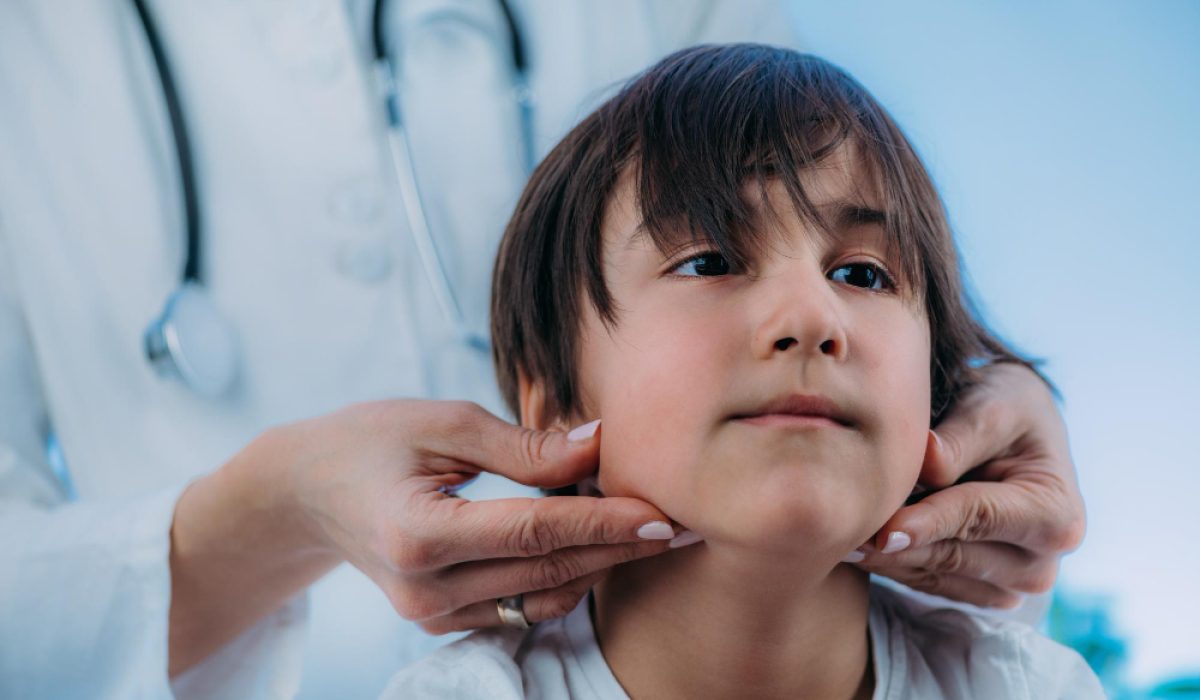
What is Mumps in Children?
Mumps in children is a viral infection that mainly affects the salivary glands. These glands are found near the ears. When a child has mumps, their cheeks and jaw may swell. This illness is more common in children who have not received the mumps vaccine. In the United States, mumps cases have dropped due to vaccination. However, outbreaks can still happen, especially in places where many people are not vaccinated. Early detection and care are important for a quick recovery.
Common Symptoms of Mumps in Children
Mumps symptoms in kids often appear two to three weeks after exposure. At first, symptoms may be mild. But, they can get worse over time. Watch for these signs:
Sometimes, only one side of the face swells. However, both sides can be affected. If your child shows these symptoms, it is important to keep them away from others to prevent spreading the virus.
Causes and How Mumps Spreads
Mumps in children is caused by the mumps virus. This virus spreads easily from person to person. Usually, it passes through droplets from coughs or sneezes. Children can also get mumps by sharing cups, utensils, or toys that have saliva on them. Because the virus is so contagious, outbreaks can happen in schools or daycare centers. Good hygiene helps lower the risk of spreading mumps.
Diagnosis of Mumps in Children
Doctors diagnose mumps in children by looking at symptoms and medical history. Often, the swollen cheeks and jaw are clear signs. However, to confirm the diagnosis, a doctor may:
Early diagnosis helps prevent the spread of mumps to others. If you think your child has mumps, call your doctor before visiting the clinic. This helps protect other patients.
Treatment Options for Mumps
There is no specific treatment for mumps in children. Because it is a viral infection, antibiotics do not work. Instead, treatment for mumps in children focuses on easing symptoms. Most children recover fully within two weeks. To help your child feel better, you can:
Never give aspirin to children, as it can cause serious side effects. If symptoms get worse or new problems appear, contact your doctor right away.
Prevention and Vaccination
The best way to prevent mumps in children is through vaccination. The mumps vaccine for children is part of the MMR vaccine, which also protects against measles and rubella. In the United States, children usually get two doses:
Vaccinated children are much less likely to get mumps. However, no vaccine is 100% effective. Outbreaks can still happen, but they are less common and less severe. To further reduce risk, teach your child to wash their hands often and avoid sharing food or drinks.
Home Care and Lifestyle Tips
While your child recovers from mumps, home care is important. For example, you can help them feel better by:
Additionally, make sure your child stays hydrated. If they refuse to eat or drink, call your doctor for advice.
When to See a Doctor
Most cases of mumps in children are mild. However, sometimes problems can occur. You should contact your doctor if your child:
Early medical care can help prevent serious complications. If you are unsure, it is always best to ask your doctor.
Consult a pediatrician at Rudraksh Multispecialty Hospital for personalized advice if you suspect your child has mumps.