
Introduction
Measles in children is a serious illness caused by a virus. It spreads easily from person to person. Early signs can look like a cold, but the disease can become severe. Because measles can lead to complications, it is important to know the symptoms, causes, and ways to prevent it. In this blog, you will learn about childhood measles symptoms, causes, diagnosis, treatment, and how to prevent measles in kids.
What is Measles in Children?
Measles is a viral infection that mostly affects children. The virus spreads through the air when an infected person coughs or sneezes. Although measles is rare in some countries due to vaccines, outbreaks still happen. Children who are not vaccinated are at higher risk. The illness can cause serious health problems, especially in young kids.
Symptoms
Measles in children often starts with mild symptoms. However, these can quickly become worse. Watch for these signs:
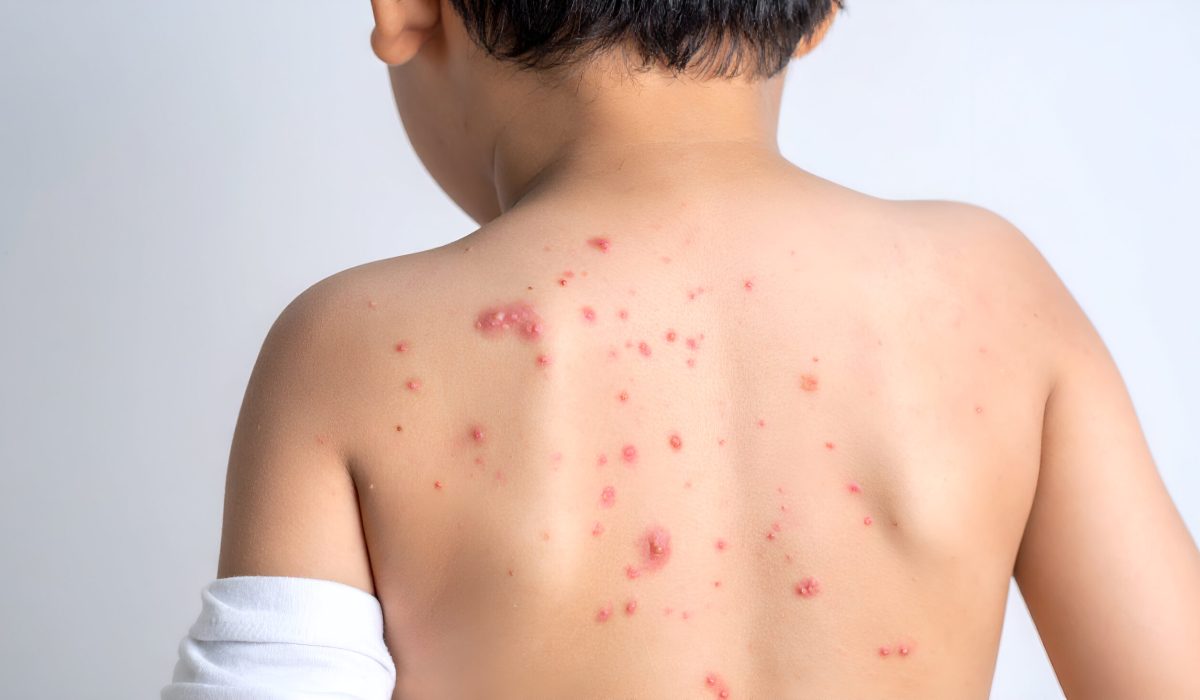
Usually, the rash appears three to five days after the first symptoms. In some cases, children may also have a sore throat or swollen lymph nodes. If you notice these childhood measles symptoms, seek medical advice right away.
Causes and Risk Factors
The measles virus causes this illness. It spreads through droplets in the air. When a child breathes in these droplets, they can get infected. Some factors increase the risk:
Because the virus is very contagious, even brief contact can lead to infection. Children under five years old are at higher risk for complications.
Diagnosis
Doctors diagnose measles in children by looking at symptoms and medical history. Often, the rash and white spots in the mouth help confirm the illness. Sometimes, a blood test or throat swab is needed. These tests check for the measles virus or antibodies. Early diagnosis helps prevent the spread of the disease. If you think your child has measles, contact your doctor as soon as possible.
Treatment Options
There is no specific cure for measles in children. However, supportive care can help manage symptoms. Treatment usually includes:
In some cases, children may need hospital care if they develop severe symptoms. Because measles can be dangerous, always follow your doctor’s advice on how to treat measles in children.
Prevention Strategies
Prevention is the best way to protect children from measles. The most effective method is vaccination. The measles, mumps, and rubella (MMR) vaccine is safe and works well. Children usually get two doses:
Other ways to prevent measles in kids include:
According to the CDC and WHO, high vaccination rates help stop outbreaks. If you travel to areas with measles, make sure your child is fully vaccinated.
Lifestyle and Home Care Tips
While your child recovers from measles, home care is important. Here are some helpful tips:
Because measles can spread easily, keep your child at home until the doctor says it is safe to return to school or daycare.
When to See a Doctor
Contact your doctor if you suspect measles in your child. Seek medical help right away if your child:
Early care can prevent serious problems. Always follow your doctor’s instructions for the best outcome.
Consult a pediatrician for personalized advice if you suspect measles in your child.