Introduction
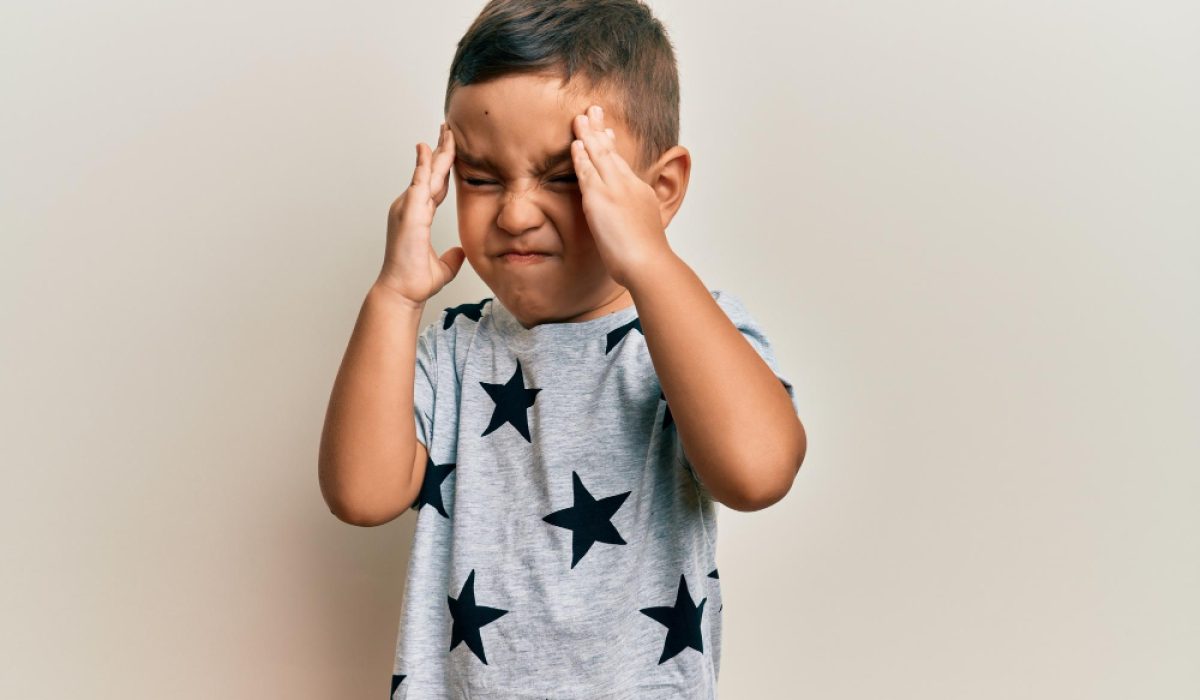
Many children experience headaches and migraines, especially during winter. Headaches & migraine triggers during winter can make life harder for kids and their families. While some headaches are mild, others can be severe and affect daily activities. Because winter brings unique challenges, it is important for parents to know what to watch for. Understanding the causes and symptoms can help you support your child better.
Common Symptoms of Headaches and Migraines in Children
Children may not always describe their pain clearly. However, there are common signs to look for. For example, a child may:
Sometimes, migraines in children can cause stomach pain instead of head pain. Therefore, it is important to notice any changes in your child’s behavior during winter.
Causes and Triggers in Winter
Winter brings several triggers that can lead to headaches and migraines in children. These winter migraine triggers in children include:
Because these triggers are common in winter, preventing pediatric headaches in cold weather is important for your child’s comfort and health.
Diagnosis of Headaches and Migraines in Children
Doctors use several steps to diagnose headaches and migraines in children. First, they ask about your child’s symptoms and medical history. Next, they may perform a physical exam. Sometimes, doctors ask parents to keep a headache diary. This helps track when headaches happen and what might trigger them. In rare cases, tests like blood work or brain scans are needed to rule out other problems. According to the CDC, most headaches in children are not caused by serious illness.
Treatment Options for Children
Treating headaches and migraines in children often involves a mix of approaches. Safe and effective treatments include:
For frequent or severe migraines, a doctor may suggest prescription medicines. However, always talk to a healthcare provider before starting any treatment. The World Health Organization recommends using medication only as needed and under medical guidance.
Prevention Tips for Parents
There are many ways to help prevent headaches and migraines in children during winter. For example, you can:
By following these steps, you can lower the risk of winter migraine triggers in children and help them feel better.
When to See a Doctor
Most headaches in children are not dangerous. However, you should contact a doctor if your child:
Early medical care can help find the cause and offer the right treatment. The American Academy of Pediatrics suggests seeing a doctor if you notice any warning signs.
Conclusion
Headaches and migraines are common in children, especially during winter. Because winter brings unique triggers, it is important to know the signs and take steps to prevent them. If your child experiences frequent headaches or migraines during winter, consult a pediatrician for personalized advice.