
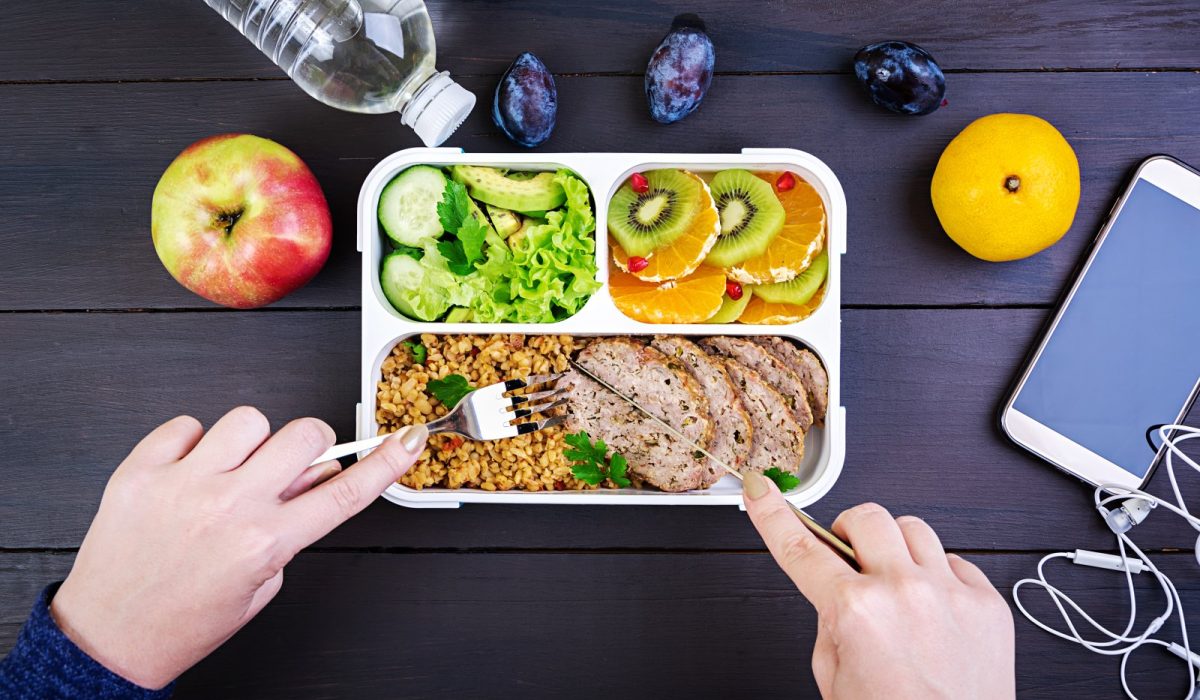
Importance of Healthy Lunch Box Habits
Healthy lunch box habits for kids can shape their lifelong eating patterns. When children eat balanced meals at school, they get the energy and nutrients they need. In fact, the World Health Organization (WHO) stresses that healthy lunches help kids focus and learn better. Moreover, good lunch habits may lower the risk of childhood obesity and other health issues. For these reasons, parents and caregivers play a key role in guiding children toward nutritious school lunch ideas every day.
Common Challenges in Packing Healthy Lunches
Many parents find it hard to pack healthy lunches. Sometimes, kids are picky eaters. Other times, busy mornings make it tough to prepare fresh meals. In addition, schools may have rules about what foods are allowed. Because of these challenges, some parents rely on packaged snacks or sugary drinks. However, with a few changes, you can overcome these hurdles and learn how to pack a healthy lunch for children.
Nutritional Guidelines for Kids’ Lunch Boxes
According to the CDC, a healthy lunch should include foods from all major groups. For example, children need:
Because kids grow quickly, they need a mix of nutrients. Therefore, try to include a variety of colors and textures in each lunch box.
Practical Tips for Creating Balanced Lunches
Even on busy days, you can pack balanced lunches. First, plan meals ahead of time. Next, use leftovers from dinner when possible. In addition, keep healthy snacks ready, such as cut-up veggies or fruit. You can also involve your child in choosing foods. This often makes them more likely to eat what you pack. For extra variety, swap out sandwich fillings or try new fruits each week.
Sample Healthy Lunch Box Ideas
Here are some nutritious school lunch ideas to inspire you:
Because kids enjoy variety, try mixing and matching these options throughout the week.
Foods to Limit or Avoid in Kids’ Lunches
Some foods are best left out of lunch boxes. For example, limit sugary snacks, sodas, and candy. Also, avoid chips, fried foods, and foods high in salt. In addition, steer clear of foods that spoil quickly, such as mayonnaise-based salads, unless you can keep them cold. The CDC recommends checking food labels for added sugars and unhealthy fats. Instead, choose whole, fresh foods whenever possible.
Strategies to Encourage Kids to Eat Healthy Lunches
Getting kids to eat healthy lunches can take patience. However, several strategies can help. For instance, let your child help pack their lunch. Sometimes, using fun shapes or colorful containers makes food more appealing. You can also offer choices, such as picking between two fruits. If your child tries a new food, praise their effort. Over time, these small steps can build better eating habits.
Safe Food Storage and Hygiene Tips
Proper food storage keeps lunches safe to eat. Always wash your hands before handling food. Next, use clean containers and utensils. In addition, pack cold foods with an ice pack or in an insulated lunch bag. If you send hot foods, use a thermos to keep them warm. Because bacteria can grow quickly, remind your child to eat their lunch within a few hours. Finally, teach kids to throw away any uneaten perishable foods after lunch.