
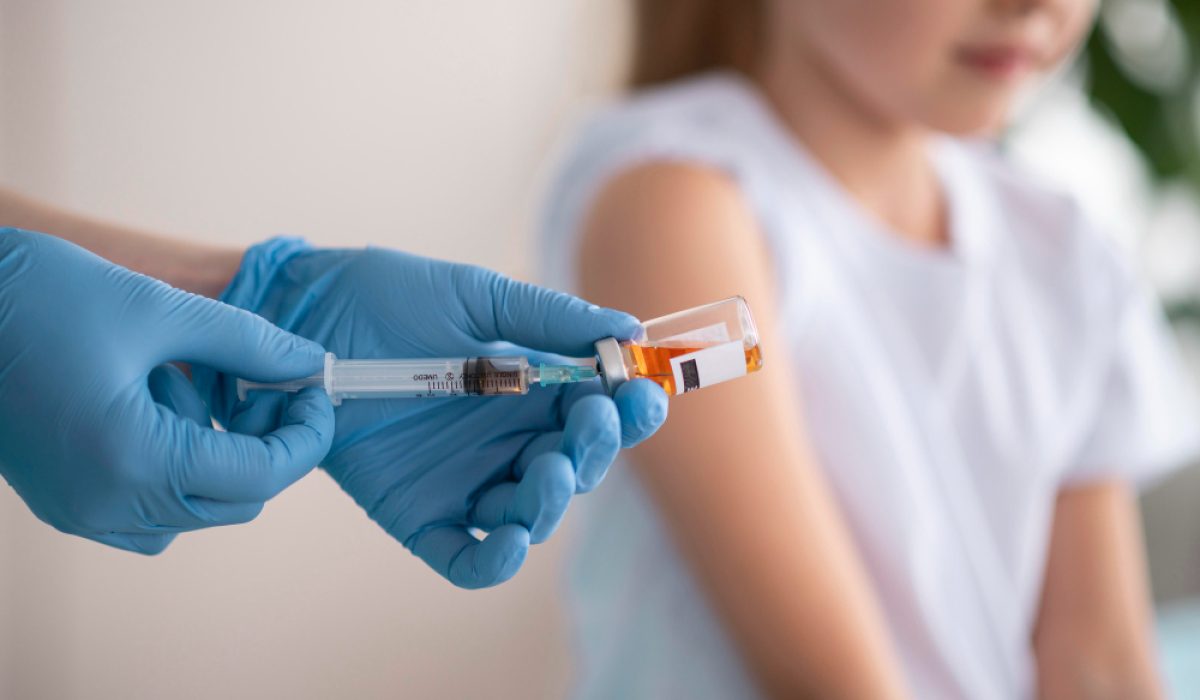
Introduction to Childhood Vaccinations
Vaccinations in children protect young ones from serious diseases. These vaccines help the body build defenses before kids are exposed to harmful germs. Because of vaccines, many illnesses are now rare or gone. For this reason, childhood vaccinations are a key part of keeping children healthy. Parents often ask about the vaccine schedule for kids and the benefits of immunization in children. This blog will answer these questions and more.
Common Vaccine-Preventable Diseases in Children
Many diseases can be prevented with vaccines. For example, children can avoid:
Because these diseases can cause serious problems, vaccines are very important. In addition, some illnesses can spread quickly in schools or playgrounds. Vaccines help stop outbreaks.
Recommended Vaccination Schedule for Children
Doctors follow a set vaccine schedule for kids. This schedule tells when each vaccine should be given. For example, the CDC and WHO provide guidelines for each age group. Here are some common vaccines and their timing:
However, schedules may change based on your country or local health rules. Always check with your child’s doctor for the latest advice.
How Vaccines Work
Vaccines teach the body to fight germs. They use tiny, safe parts of the germ or a weak form of it. Because of this, the body learns to recognize and attack the real germ if it shows up later. In short, vaccines help children build strong protection without getting sick first.
Safety and Side Effects of Vaccines
Many parents wonder, “Are vaccines safe for children?” Yes, vaccines are tested for safety before use. Most children have only mild side effects, such as:
Serious side effects are very rare. Still, doctors watch for any problems and report them. Because safety is a top priority, vaccines are checked often by experts.
Addressing Common Myths and Concerns
Some people worry about vaccines. However, many fears are based on myths. For example, vaccines do not cause autism. Many studies have shown this. Also, vaccines do not overload a child’s immune system. In fact, children face more germs daily than what vaccines contain. If you have concerns, talk to your doctor for clear answers.
Tips for Parents on Preparing Children for Vaccinations
Getting shots can be stressful for kids. However, parents can help by:
Because children look to parents for support, your calm attitude can make a big difference.
Prevention and Public Health Benefits
Vaccines protect not only your child but also others. When most children are vaccinated, diseases cannot spread easily. This is called “herd immunity.” As a result, even babies too young for shots are safer. In addition, vaccines help keep schools and communities healthy. Because of immunization, many diseases are now rare.
Conclusion
In summary, vaccinations in children are safe, important, and protect against many diseases. Following the vaccine schedule for kids keeps your child and others healthy. If you have questions, consult your pediatrician for personalized vaccination advice for your child.