
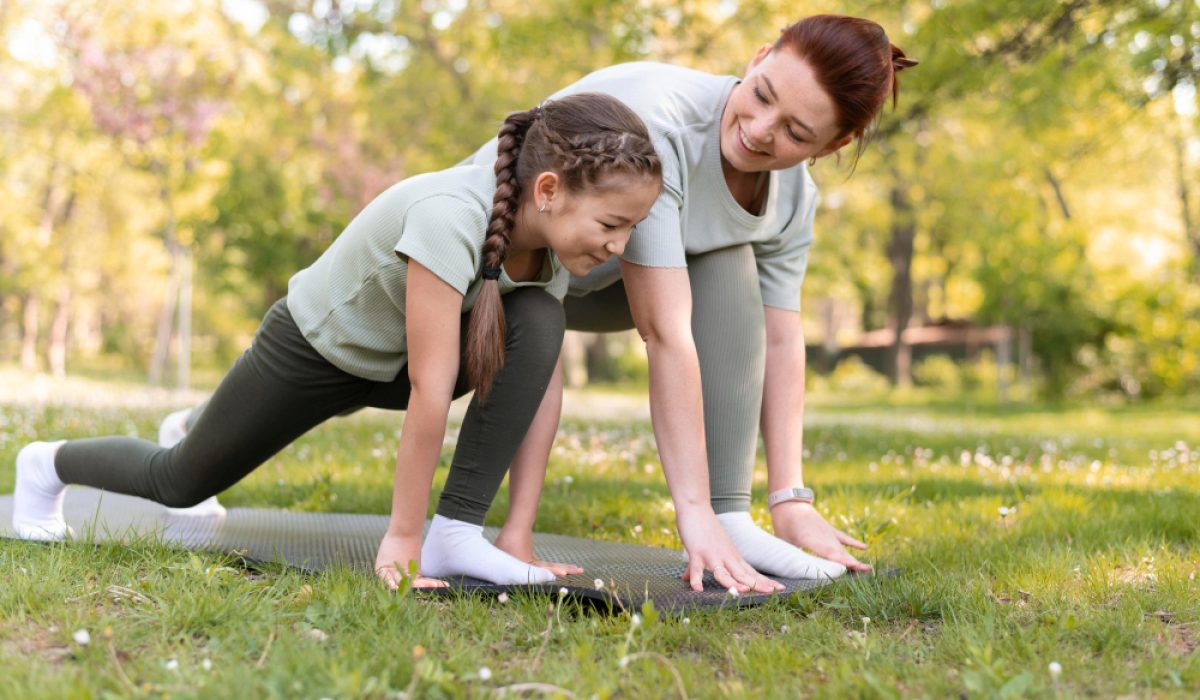
Why Physical Activity Matters for Children
Physical activity for children is very important. It helps kids build strong bones and muscles. Also, it supports a healthy weight and boosts mood. When kids move often, they sleep better and focus more in school. According to the CDC, children need at least 60 minutes of activity each day. This can include running, playing, or even dancing. Because of these benefits, it is key to motivate kids to stay physically active every day.
Common Barriers to Keeping Kids Active
Sometimes, kids do not get enough exercise. There are several reasons for this. For example, busy schedules, too much screen time, or lack of safe play areas can make it hard. In some cases, children may feel shy or unsure about joining in. Additionally, weather or health issues can limit outdoor play. Understanding these barriers helps parents find better ways to support their children.
Practical Motivation Strategies for Different Ages
Every child is different, but some tips work for many families. Here are age-appropriate ways to motivate kids to exercise:
Above all, praise effort, not just skill. Kids feel proud when you notice their hard work.
The Role of Parents and Caregivers
Parents and caregivers play a big part in keeping kids active. When adults join in, children are more likely to move. For example, take family walks or play ball together. Also, talk about why being active is fun and healthy. Even small changes, like walking to school, can make a difference. Remember, your actions set a strong example for your child.
Fun Ways to Keep Kids Active
There are many fun ways to keep kids active. Try these ideas to get started:
Additionally, check for local community centers or after-school programs. These often offer safe and fun activities for kids.
Building a Routine and Overcoming Resistance
Creating a routine helps kids know what to expect. For example, set a regular time each day for active play. If your child resists, start with short sessions and add more time slowly. Sometimes, inviting friends can make activities more fun. Also, reward effort with praise or a healthy treat. Over time, being active can become a normal part of your child’s day.
Safety Tips and Adapting to Your Environment
Safety is always important. Make sure your child wears the right shoes and gear. Check that play areas are safe and free from hazards. If you live in a busy city, look for indoor spaces or community centers. On hot days, choose early morning or evening for outdoor play. In cold weather, try indoor games or activities. Always encourage your child to drink water and rest when needed.
Preventing Sedentary Habits
Too much sitting can harm your child’s health. Limit screen time by setting clear rules. For example, allow screens only after active play. Encourage breaks from sitting every hour. Instead of watching TV, suggest a walk or a quick game. Over time, these habits help your child stay active and healthy.
Conclusion: Support Your Child’s Active Lifestyle
Staying active is key for your child’s growth and happiness. With support and encouragement, you can motivate kids to stay physically active every day. If you have concerns or need more ideas, consult your pediatrician for personalized advice on keeping your child active and healthy.