
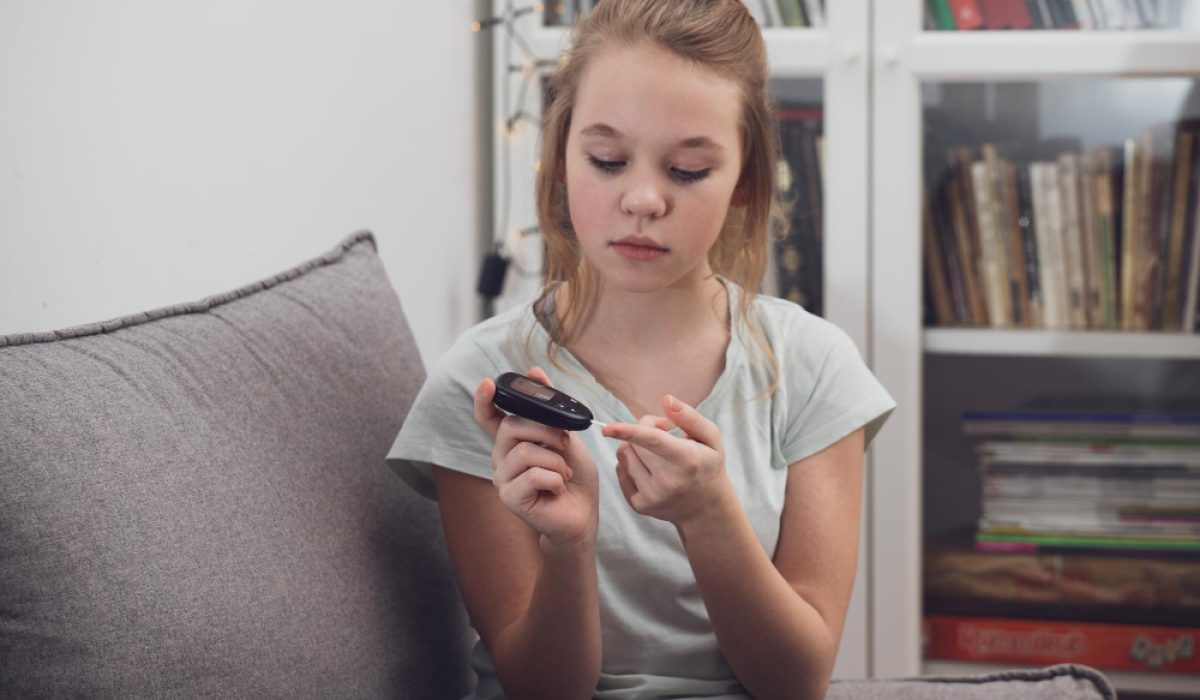
What is Paediatric Diabetes?
Paediatric diabetes is a condition where children have high blood sugar levels. This happens when their bodies cannot make or use insulin well. Insulin is a hormone that helps control blood sugar. Early detection of paediatric diabetes is important. With the right care, children can live healthy lives. There are two main types: Type 1 and Type 2. Type 1 is more common in children. However, Type 2 is rising due to changes in lifestyle.
Early Signs and Symptoms
Recognizing the signs of diabetes in children helps with early treatment. Some symptoms may appear suddenly. Others develop slowly over time. Watch for these signs:
If you notice these symptoms, consult your doctor. Early detection of paediatric diabetes can prevent serious problems.
Causes and Risk Factors
Several factors can lead to childhood diabetes. Type 1 diabetes happens when the immune system attacks insulin-making cells. The exact cause is not known. But, genes and some viruses may play a role. Type 2 diabetes is linked to lifestyle and family history. Here are some risk factors:
Understanding these risks helps in early detection and care.
Diagnosis Methods
Doctors use several tests to diagnose paediatric diabetes. First, they check symptoms and family history. Then, they may order blood tests. Common tests include:
Early detection of paediatric diabetes allows for better care. Always follow your doctor’s advice for testing.
Treatment Options
Managing childhood diabetes needs a team approach. Treatment depends on the type of diabetes. For Type 1, children need insulin every day. For Type 2, lifestyle changes may help. Sometimes, medicine is needed. Treatment plans often include:
With the right care, children can stay healthy and active.
Daily Management and Lifestyle Tips
Daily care is key for children with diabetes. Parents and caregivers play a big role. Here are some tips to help manage paediatric diabetes every day:
With these steps, children can enjoy school and play safely.
Prevention and Early Detection Strategies
While Type 1 diabetes cannot be prevented, early detection is possible. For Type 2 diabetes, prevention is important. Here are some strategies:
Early detection of paediatric diabetes leads to better outcomes. Stay alert to changes in your child’s health.
When to Consult a Pediatrician
If you notice any signs of diabetes in your child, act quickly. Contact your pediatrician if your child:
Early care can prevent serious health problems. Your doctor can guide you on the next steps.
For personalized advice on paediatric diabetes, consult a pediatric specialist. Early detection and the right care can help your child live a healthy life.