
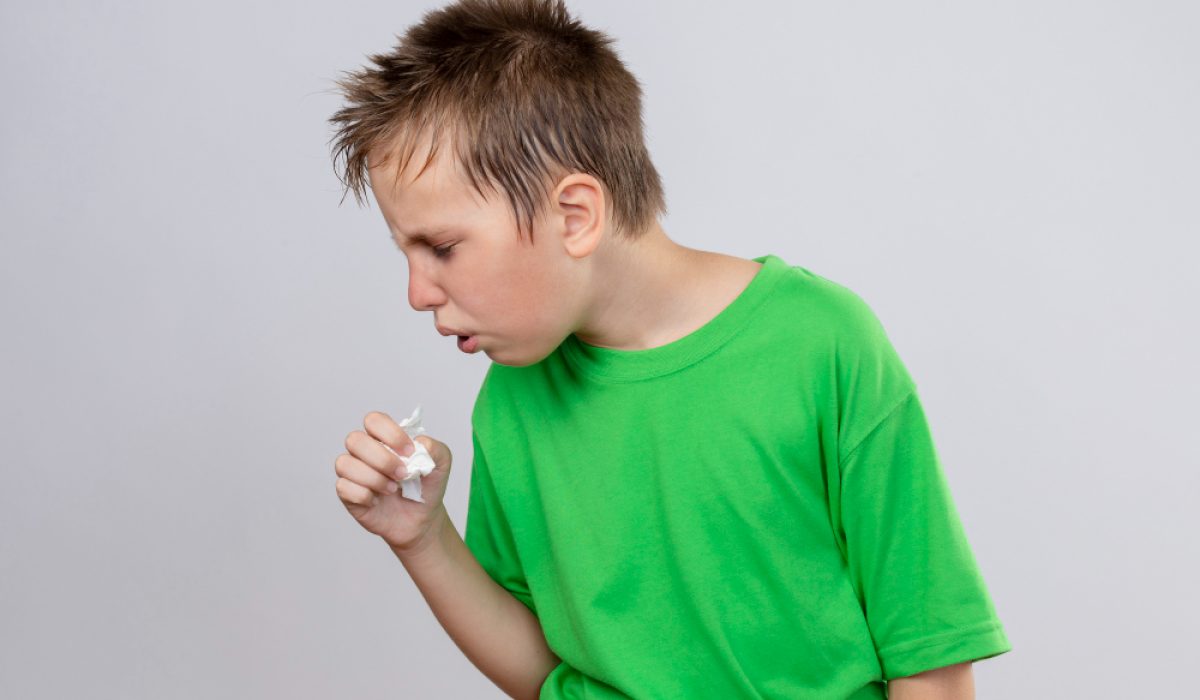
Cough in children is a common concern for many parents and caregivers. Often, a cough is the body’s way of clearing the airways. However, a persistent cough in kids can worry families. While most coughs are mild, some may need medical care. In this blog, we will discuss cough in children, its causes, symptoms, diagnosis, and treatment. We will also share child cough remedies and explain when to see a pediatrician for cough.
What Is a Cough in Children?
A cough is a sudden, forceful release of air from the lungs. In children, coughing helps clear mucus, dust, or germs from the throat and airways. Sometimes, a cough is short-lived. Other times, it can last for days or even weeks. Although most coughs are not serious, some may signal an underlying illness. Therefore, it is important to watch for other symptoms.
Common Causes of Cough in Children
Many things can cause a cough in children. Some causes are mild, while others need medical attention. Here are the most common reasons:
Recognizing Symptoms
Besides coughing, children may show other signs. It helps to watch for these symptoms, as they can guide you on what to do next. For example, some symptoms may mean your child needs to see a doctor soon.
If your child has trouble breathing, turns blue, or cannot stop coughing, seek help right away.
How Cough in Children Is Diagnosed
Doctors use several steps to diagnose cough in children. First, they ask about your child’s symptoms and medical history. Next, they listen to your child’s chest with a stethoscope. Sometimes, they may order tests, such as:
Usually, most coughs do not need special tests. However, if the cough lasts more than three weeks or is severe, further checks may be needed. According to the CDC, most coughs in children are caused by viral infections and improve on their own.
Treatment Options for Cough in Children
Treatment depends on the cause of the cough. In many cases, no medicine is needed. The body often fights off mild infections by itself. However, some treatments can help your child feel better:
Home Care and Prevention Tips
There are many ways to care for your child at home and help prevent coughs. For example, you can:
By following these tips, you can lower the risk of cough and other illnesses.
When to Consult a Pediatrician
Sometimes, a cough needs medical attention. You should call your child’s doctor if:
In these cases, a pediatrician can check for serious problems and suggest the right treatment. If you are in need of pediatric cough care in your area, look for clinics with experienced doctors.
Conclusion
Cough in children is common and often mild. However, it can sometimes signal a more serious problem. Most coughs improve with simple home care and rest. But if your child’s cough persists or worsens, consult a pediatrician for personalized advice. Early care can help your child recover faster and prevent complications.